Contents (18 sections)
Jump to:
- Camp Nou, Spain
- Wembley Stadium, England
- Maracanã Stadium, Brazil
- Santiago Bernabéu, Spain
- San Siro, Italy
- Allianz Arena, Germany
- Estadio Azteca, Mexico
- Old Trafford, England
- Signal Iduna Park, Germany
- La Bombonera, Argentina
Camp Nou, Spain
As the largest stadium in Europe, Camp Nou is home to FC Barcelona. This iconic structure, opened in 1957, holds a seating capacity of over 99,000. It has witnessed some of the most incredible matches in football history, including the home games of one of the world's greatest football clubs. The stadium's architectural beauty and vibrant Catalan spirit make it a must-visit for any football aficionado. Camp Nou is not just a football pitch; it's a cathedral for Barcelona fans, where countless dreams take flight.
Wembley Stadium, England
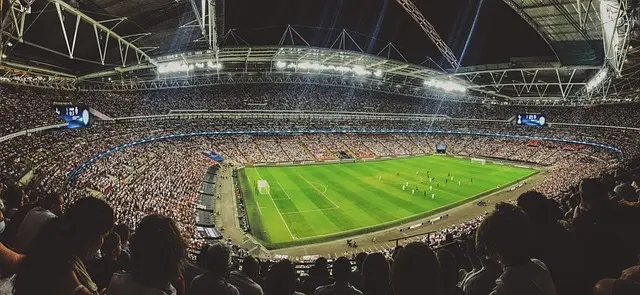
Known as 'The Home of Football', Wembley Stadium is a symbol of football tradition and glory. Originally built in 1923 and rebuilt in the 2000s, it boasts a capacity of 90,000. This stadium is renowned for hosting major national cup finals, including the historic FA Cup. Its iconic twin towers were replaced by the famous arch that defines the skyline of northwest London. Besides football, Wembley has seen everything from live concerts to Olympic Games events, making it a versatile and treasured venue.
Maracanã Stadium, Brazil
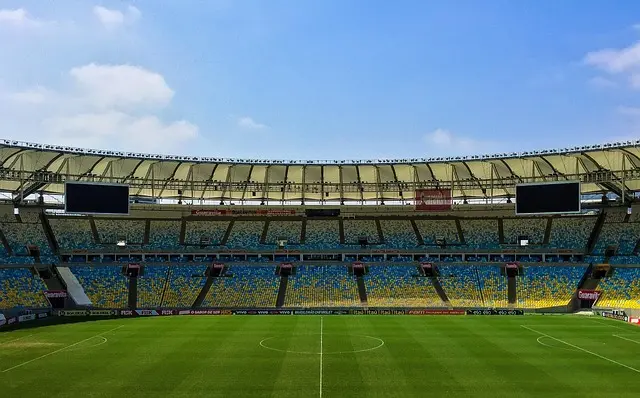
The Maracanã Stadium in Rio de Janeiro is a sacred site for Brazilian football. First opened for the 1950 FIFA World Cup, it once held a staggering 199,854 spectators, a record for sporting events. Although its capacity is now reduced to around 78,000, the spirit and atmosphere remain electric. It's a place where the dreams of Brazilian football have been realised, hosting two World Cup finals, the most recent in 2014.
Santiago Bernabéu, Spain
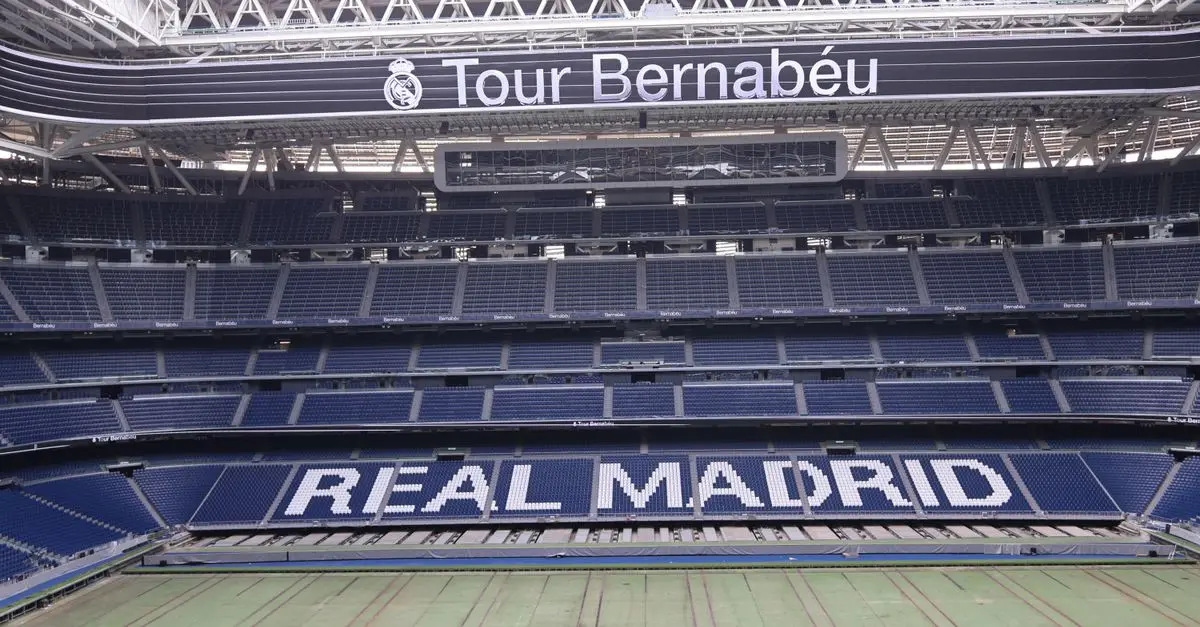
Santiago Bernabéu is the heartbeat of Real Madrid, a club synonymous with success and excellence. Founded in 1944, the stadium can accommodate over 81,000 fans. It is named after the legendary club president Santiago Bernabéu, under whose leadership Real Madrid became a global powerhouse. The Bernabéu's recent renovations will bring in state-of-the-art facilities, ensuring that this iconic stadium remains at the forefront of football venues worldwide.
San Siro, Italy
San Siro, officially known as Stadio Giuseppe Meazza, is home to the fierce rivalry between AC Milan and Inter Milan. Located in Milan, this stadium has a capacity of around 75,000. Known for its unique design with spiral ramps that allow fans to ascend to the upper tiers, San Siro is legendary for its electric atmosphere, especially during Milan derbies. Its iconic status is reflected in its standing as one of the greatest football arenas globally.
Allianz Arena, Germany
The futuristic Allianz Arena in Munich, with its distinctive façade capable of changing colours, is a marvel of modern stadium architecture. Opened in 2005, it hosts Bayern Munich matches and has a seating capacity of 75,000. The eco-friendly design and cutting-edge facilities highlight Germany's commitment to innovative engineering, making it not only an iconic stadium but also a symbol of sustainable development in sports infrastructures.
Estadio Azteca, Mexico
The Estadio Azteca, located in Mexico City, is the hallowed ground where two FIFA World Cup finals and the infamous ‘Hand of God’ goal took place. Opened in 1966 and capable of holding over 87,000 fans, it is one of the largest stadiums on Earth. Its mythical status comes from historic victories, passionate fans, and its role as the fortress for the Mexican national team.
Old Trafford, England
Old Trafford, the ‘Theatre of Dreams’, is the home of Manchester United. Since 1910, it has grown to a capacity of 74,000, witnessing generations of football greatness. Sir Alex Ferguson's legendary tenure and the club's global fanbase make it a football pilgrimage site. The museum and tour inside add a layer of history and nostalgia for visitors, cementing its place as a cornerstone of English football heritage.
Signal Iduna Park, Germany
Germany’s largest stadium, Signal Iduna Park, hosts Borussia Dortmund. It's revered for its ‘Yellow Wall’, where the most devoted and vocal fans create an unmatched atmosphere. Opened in 1974, the stadium accommodates over 81,000 spectators. It's a testament to football culture, representing passion and team spirit, making it one of the most intimidating venues for visiting teams.
La Bombonera, Argentina
La Bombonera, located in Buenos Aires, is the beloved fortress of Boca Juniors. Known for its steep stands and vibrant blue and yellow colours, it's one of the most recognisable stadiums worldwide. With a modest capacity of 49,000, its atmosphere during matches is second to none, creating a cauldron of sound and movement that epitomises Argentine football fervour.
📺 Ressource Vidéo
> 📺 For further exploration: [Top 10 Stunning Football Stadiums] offers a dynamic overview of these incredible venues. Search on YouTube: “incredible football stadiums tour”.
GLOSSAIRE
| Term | Definition |
|---|---|
| Capacity | The maximum number of spectators a stadium can hold. |
| Iconic Stadium | A venue recognised for its history, architecture, and influence in sports. |
| Architectural Design | The style and construction method used in building a stadium. |
Checklist
- [ ] Visit Camp Nou for a tour.
- [ ] Attend a match at Wembley Stadium.
- [ ] Discover the history of Maracanã.
- [ ] Explore Santiago Bernabéu renovations.
🧠 Quiz rapide : Which stadium is known as the 'Theatre of Dreams'?
- A) Camp Nou
- B) Old Trafford
- C) Maracanã
Réponse : B — Old Trafford is famously called the 'Theatre of Dreams'.
What makes a football stadium iconic?
An iconic football stadium is often known for its historical significance, unique architecture, and the unforgettable matches it hosts.
Which stadium is the largest in Europe?
Camp Nou in Barcelona is the largest stadium in Europe with a seating capacity exceeding 99,000.
What is the capacity of Wembley Stadium?
Wembley Stadium in London holds up to 90,000 spectators, making it the largest in the UK.
Which stadium hosted the 'Hand of God' goal?
The 'Hand of God' goal by Diego Maradona was scored at Estadio Azteca in Mexico City.
Call to Action: Embark on an unforgettable journey and experience the true essence of football by visiting these historic venues.