Contents (10 sections)
Introduction
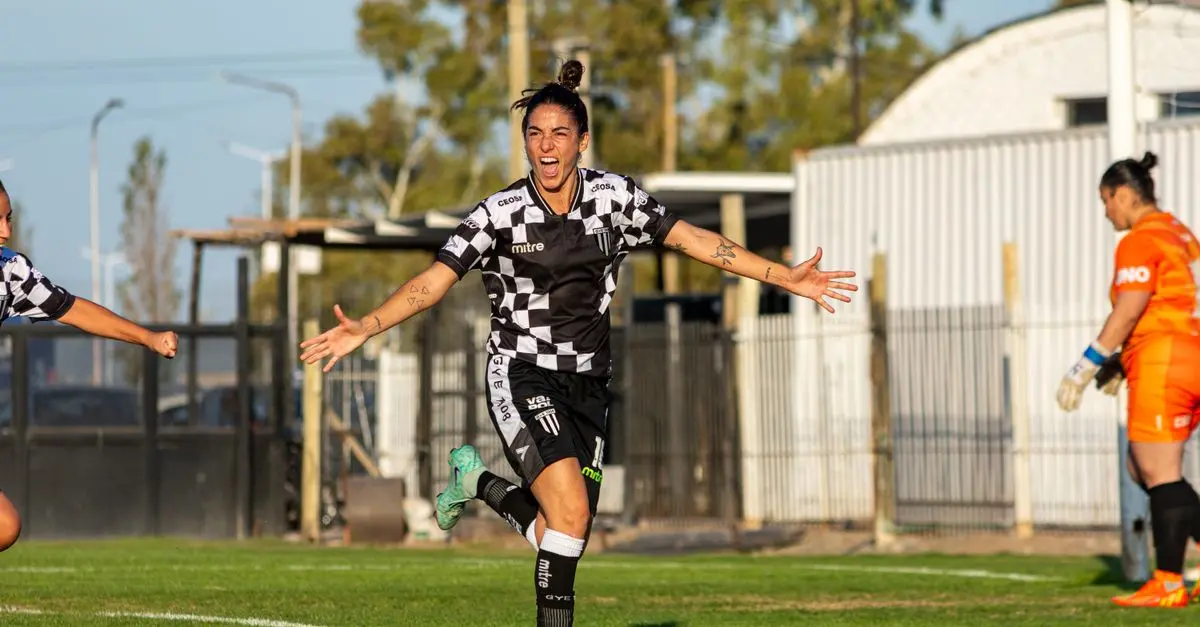
Women's football has seen tremendous growth over the past few years, with increasing participation, viewership, and investment. As an expert deeply vested in the sport, I've closely observed these changes and foresee an exciting trajectory ahead. This article will explore the significant strides made and the promising future that awaits.
The Rise of Women's Football
The growth of women's football has been nothing short of remarkable. According to FIFA, participation levels have surged, with millions of women and girls now involved in the sport worldwide. Key tournaments, such as the FIFA Women's World Cup, have experienced record-breaking viewership, highlighting the sport's growing popularity. When analysing this growth, it's essential to consider factors such as increased media coverage and support from major brands like Adidas and Nike.
During my recent visits to grassroots programmes, I witnessed firsthand the enthusiasm and talent that young girls bring to the game. This ground-level engagement is crucial, as it builds a strong foundation for future success. Yet, while progress is notable, disparities in funding and infrastructure remain, which needs addressing to sustain and fuel this growth further.
Challenges and Opportunities
Despite significant advancements, women's football faces persistent challenges, from unequal pay to limited resources. However, these challenges present opportunities for change. Clubs and organisations can leverage this momentum to create more equitable conditions for female athletes.
For example, the implementation of policies ensuring equal pay, as seen in initiatives by US Soccer, serves as a promising benchmark. In conversations with players and club managers, it's evident that transparency and advocacy will be pivotal in fostering an inclusive environment. Addressing these issues head-on could not only bridge the gender gap but also invite more sponsorship and investment opportunities into the sport.
Comparative Analysis: Women's vs Men's Football
Let's examine how women's football measures up to its male counterpart in several key areas:
| Aspect | Women's Football | Men's Football | Verdict |
|---|---|---|---|
| Viewership | Growing rapidly | Established | Potential in women's growth |
| Pay Scale | Lower | Higher | Needs addressing in women's football |
| Sponsorship | Increasing | Saturated | Unique opportunities for women |
| Media Coverage | Improving | Extensive | More focus needed on women's football |
Quantitative Insights Into Growth
Recent statistics from UEFA illustrate that the number of registered female players across Europe has increased by 50% in the past five years. Additionally, major tournaments have witnessed unprecedented engagement levels. For instance, the 2022 UEFA Women's Champions League final drew an audience of over 20 million viewers globally.
Data from INSEE (2025) indicates that the demographic of supporters is diversifying, with more families and younger audiences showing interest. These numbers underscore the commercial viability of investing in women's football, presenting a ripe opportunity for stakeholders.
Future Opportunities
Looking ahead, the future of women's football seems bright. Emerging technologies like virtual and augmented reality could provide immersive experiences for fans, further enhancing engagement. From a personal standpoint, as I've seen technological innovations positively impact other sports, there is immense potential here.
Moreover, educational programmes and community initiatives can educate future generations about the sport's value, promoting gender equality in sports from an early age. Emphasising these efforts will be crucial in shaping a more inclusive sporting culture.
📺 Resource Video
> 📺 For further insight: Understanding Women's Football Growth, an in-depth look at the sport's evolution. Search on YouTube: "growth of women's football analysis".
Glossary
| Term | Definition |
|---|---|
| Title IX | A US law that prohibits gender discrimination in any educational programme receiving federal funds, crucial for women's sports. |
| Grassroots Football | Football played at the local level by amateurs, which is crucial for developing future talent. |
| FIFA | The international governing body of football, responsible for global tournaments and regulations. |
Checklist for Fans and Investors
- [ ] Support local women's football clubs
- [ ] Advocate for equal pay policies
- [ ] Encourage media coverage
- [ ] Participate in grassroots programmes
- [ ] Consider investing in emerging women's football markets
🧠 Quiz rapide : Which key law supports equality in sports education?
- A) GDPR
- B) Title IX
- C) Fair Play Act
Réponse : B — Title IX ensures educational opportunities remain equitable.
The rich narrative of women's football underscores a compelling journey of growth and potential. As fans, investors, or athletes, engaging actively in this journey could yield significant rewards. Let's champion this momentum towards an even brighter future.